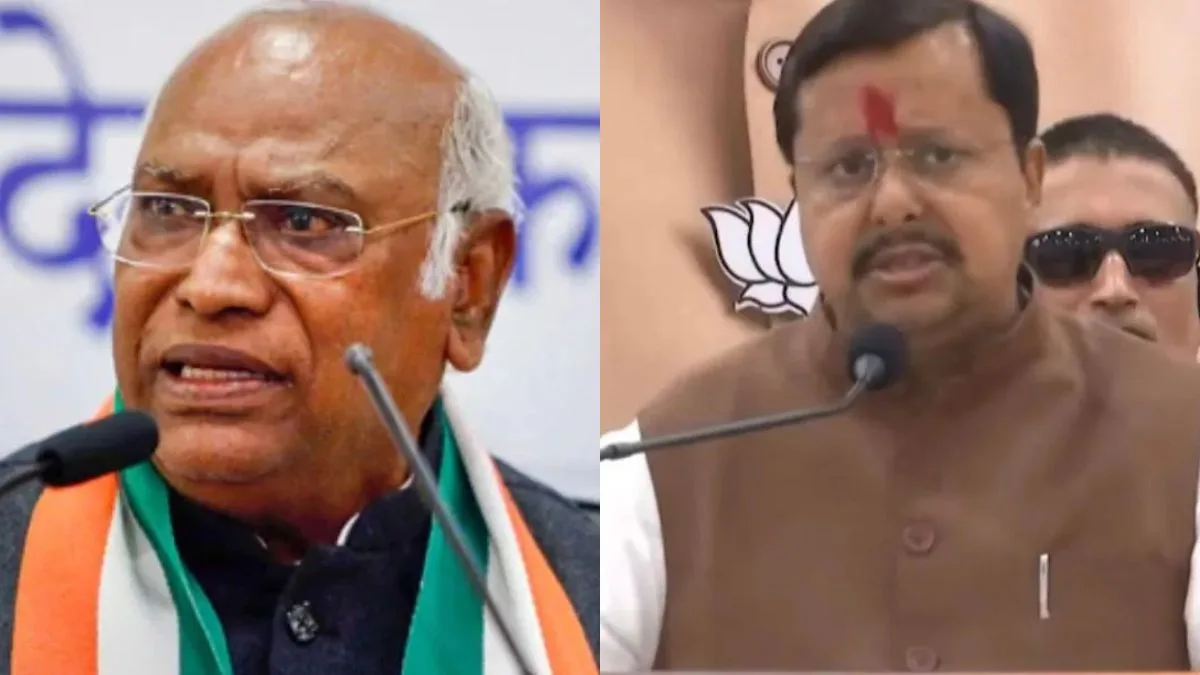
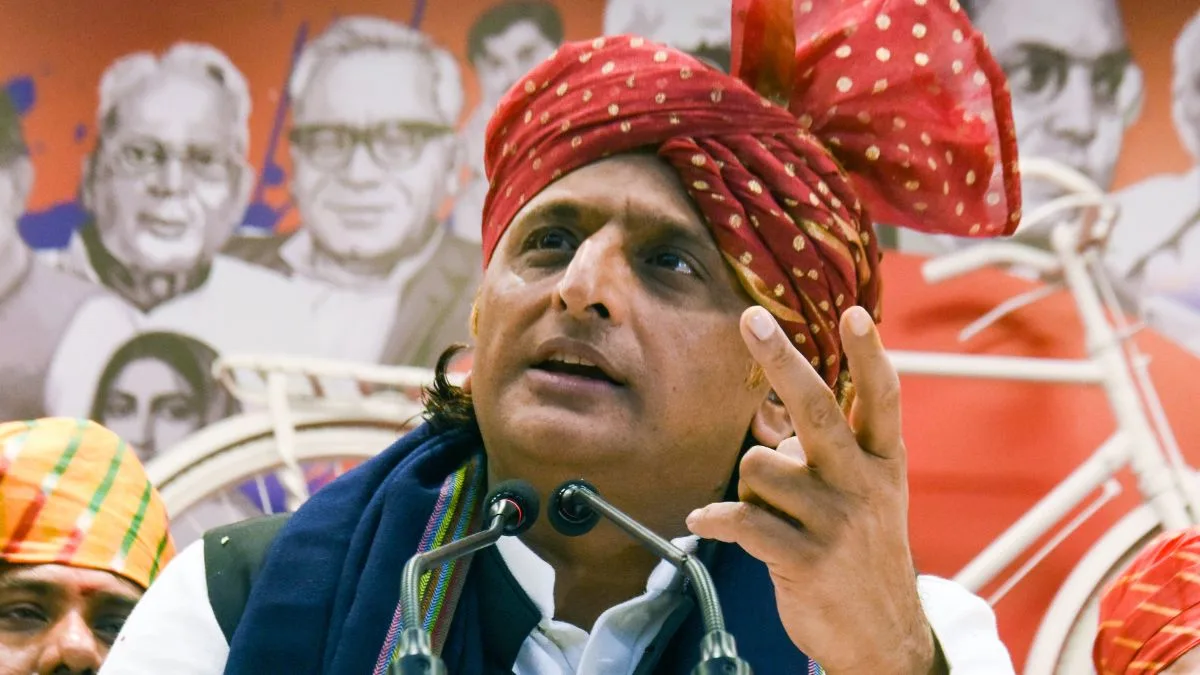
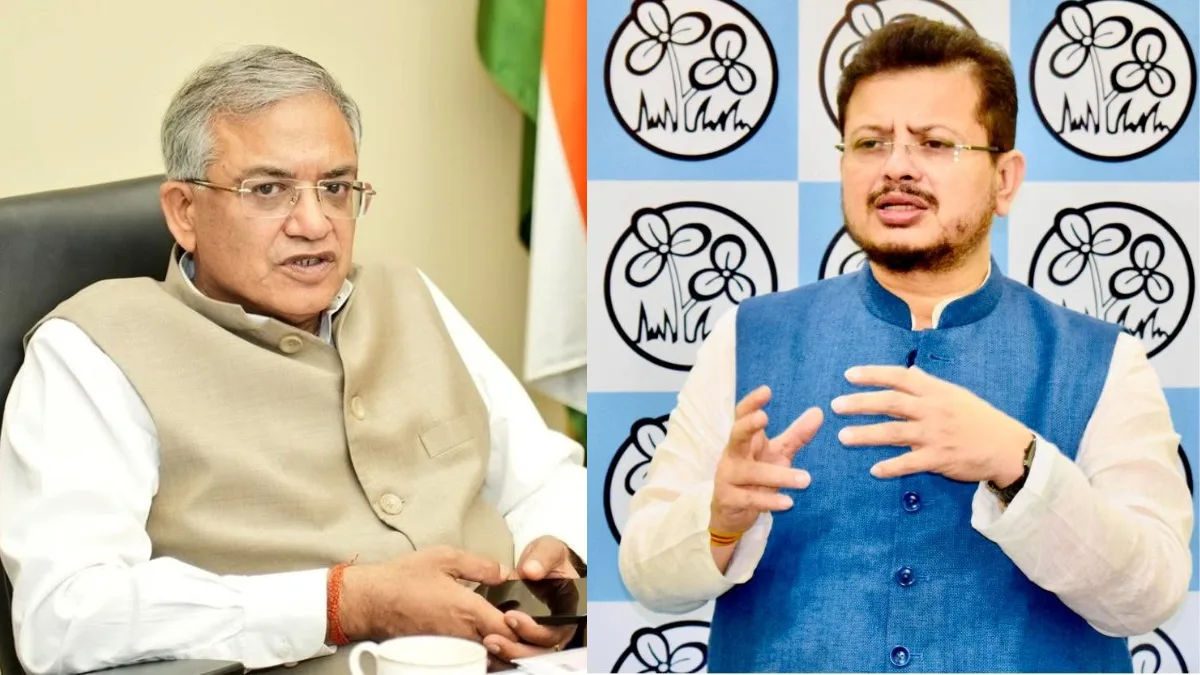
Akhilesh @53 gets birthday cheers, political boost for 2027
Greetings double as political messaging ahead of the UP Assembly battle
India and African nations should expand cooperation in renewable energy, critical minerals, technology and skills development to capitalize on an emerging multipolar world, diplomats and policy experts said , while cautioning that geopolitical uncertainty could reshape global alliances.




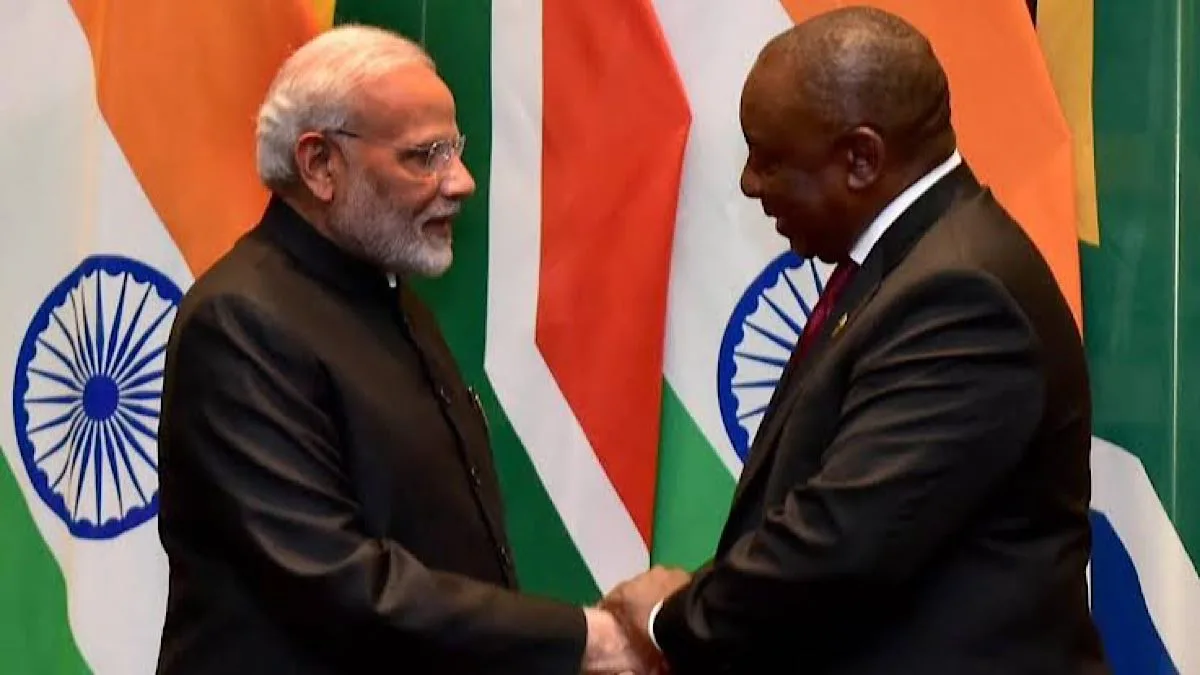
Photo:X
India and African nations should expand cooperation in renewable energy, critical minerals, technology and skills development to capitalize on an emerging multipolar world, diplomats and policy experts said , while cautioning that geopolitical uncertainty could reshape global alliances.
Speaking at a discussion on India-Africa Relations in a New World Order, former Indian ambassador Manju Seth said the international system was undergoing profound change, with Africa set to emerge as a key pillar alongside India and other major powers.
Advertisement
“A new world order is still in flux,” Seth said. “There is an attempt to create a multipolar world, with Africa as one of the pillars and India as one of the pillars. But how it is going to evolve, we can’t be absolutely certain. In that new world order, definitely, Africa will be an important player.”
Advertisement
She said Africa’s growing influence would be exercised collectively through the African Union rather than by any single country, reflecting the continent’s diversity of 54 nations.
She argued that India should build long-term partnerships with Africa based on shared development priorities rather than geopolitical competition.
Renewable energy was prominent factor as per experts as they highlighted the International Solar Alliance as a key platform for collaboration. Indian companies are already setting up solar equipment and pump assembly units in several African countries, while cooperation is also expanding in hydropower projects.
Critical minerals, essential for clean energy technologies and electric vehicles, were identified as another strategic area where India and African countries could deepen ties. Speakers said partnerships should prioritize local processing and value addition instead of simply exporting raw materials.
The panel also pointed to growing cooperation in space technology through the Indian Space Research Organisation (ISRO), which is working with African countries including Egypt, South Africa, Ghana and Nigeria.
Capacity building was described as one of India’s strongest contributions to Africa, with thousands of students and professionals trained under the Indian Technical and Economic Cooperation (ITEC) programme. However, speakers said academic and think tank exchanges remain limited and called for stronger institutional partnerships.
As China’s presence on the Africa continent now extends well beyond infrastructure projects, mining investments, and trade agreements. Its influence is increasingly exercised through diplomatic pressure, political signalling, and the power to shape the decisions and actions of governments, organisations, and even international conferences.
Addressing questions on China’s expanding presence in Africa, India Foundation Executive Vice President Alok Bansal rejected the notion that engagement on the continent must be viewed solely through the lens of rivalry.
“Why do you look at only competition? It can be cooperation also. You can cooperate with China also and invest in Africa,” Bansal said.
The discussion also touched on India’s support for reforming the U.N. Security Council to provide greater representation for African countries, while highlighting agriculture, security and technology as sectors requiring sustained engagement.
Despite uncertainty over how the global order will evolve, speakers agreed that the shifting geopolitical landscape presents an opportunity for India and Africa to build a deeper strategic partnership anchored in clean energy, technology, trade and human capital.
Advertisement